Selling Guide
How to sell a Rolex without getting lowballed
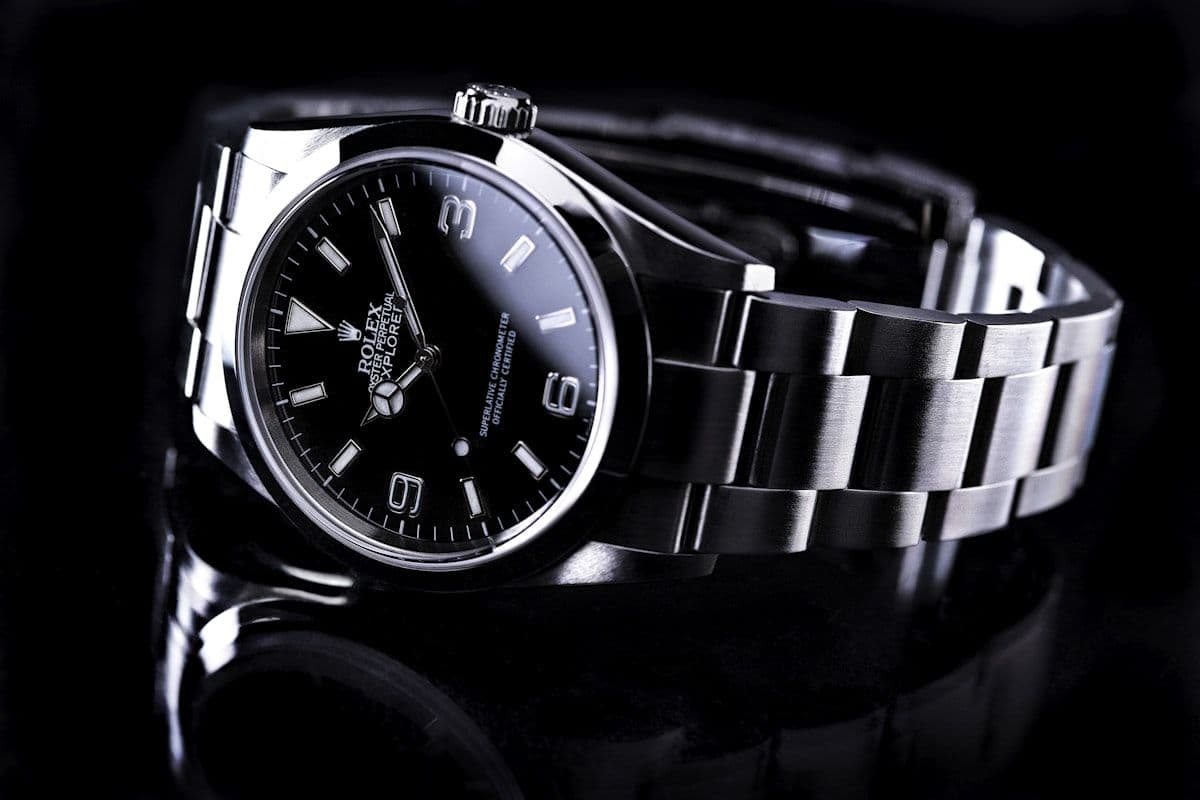
The four things to establish before you accept any offer, and the questions that separate a real buyer from someone hoping you have not done your homework.
Almost every seller I speak to has already been given a number by someone else, and a good share of those numbers are low. Not fraudulently low. Just low in the ordinary way that happens when the person quoting knows more than you do and has no particular reason to volunteer it.
You do not need to become an expert to fix that. You need four facts and three questions.
Establish these four things first
Every honest valuation starts here, and you can gather all of it in about ten minutes.
- The reference number. Not the model name. Rolex engraves it between the lugs at twelve o'clock, under the bracelet, and it is on your paperwork if you have it. Submariner is a family. 126610LN is a watch.
- The serial number, which dates the watch. Same place, at six o'clock, or on the paperwork. Production year moves the number on plenty of references.
- What you actually have besides the watch. Box, papers, spare links, the original bracelet if you swapped it, the hang tags. Gather it physically rather than from memory.
- What has been done to it. Service history, any polishing, any replaced parts. If you do not know, say you do not know. A buyer who penalises honesty is telling you something useful about themselves.
Then ask the buyer three questions
The answers matter less than whether the person is willing to give them.
- What is this number based on? A real buyer can tell you which comparable sales they are working from and roughly when those sales happened. A vague answer here is the single strongest signal you are being lowballed.
- What would change it, in either direction? Someone who only describes downside is negotiating, not valuing. Condition cuts both ways and a straight answer says so.
- What happens if I decline after you have the watch? The answer should be that it comes back to you, insured, at their cost, with no fee. Anything less than that and you are carrying a risk you are not being paid for.
Two things that cost sellers the most money
The first is polishing a watch before selling it. It feels like presenting it well. On a collectible reference it can permanently soften the case lines, and that is not recoverable. Send it as it is and let the buyer decide.
The second is accepting a valuation based on precious metal weight. This happens most often with gold Cartier and gold Rolex, and it is close to the worst outcome available to you. The metal content is a floor, not a price. If the number you have been given sounds like it was calculated by the gram, get another opinion from anyone at all before you accept it.
One more thing about urgency
Nothing about selling a watch is time sensitive in the way a buyer in a hurry will suggest it is. If someone tells you an offer expires today, the offer is not the thing they are selling you. Take the night. The watch will be worth approximately the same tomorrow.
Every number I give is an estimate until I have the watch in hand and authenticated. Anyone who tells you otherwise before they have seen it is guessing with more confidence than the situation allows.
Everything here is general guidance rather than an appraisal of your specific watch. Any number I give you is an estimate until the watch is authenticated in hand.
Your Watch, Specifically
Ask me about yours.
Send the reference and a few photos and I will give you a range and my reasoning.
Text 404-590-5059